Phone Radiator Models in Stock
Every unit below ships from ready stock in Shenzhen. Mixed models count toward the same quantity tier.
A phone radiator removes heat from the phone instead of blowing warm air at it. Semiconductor (Peltier) radiators from 15W to 30W, in stock in Shenzhen, MOQ from 50 pcs, OEM logo and ODM available.
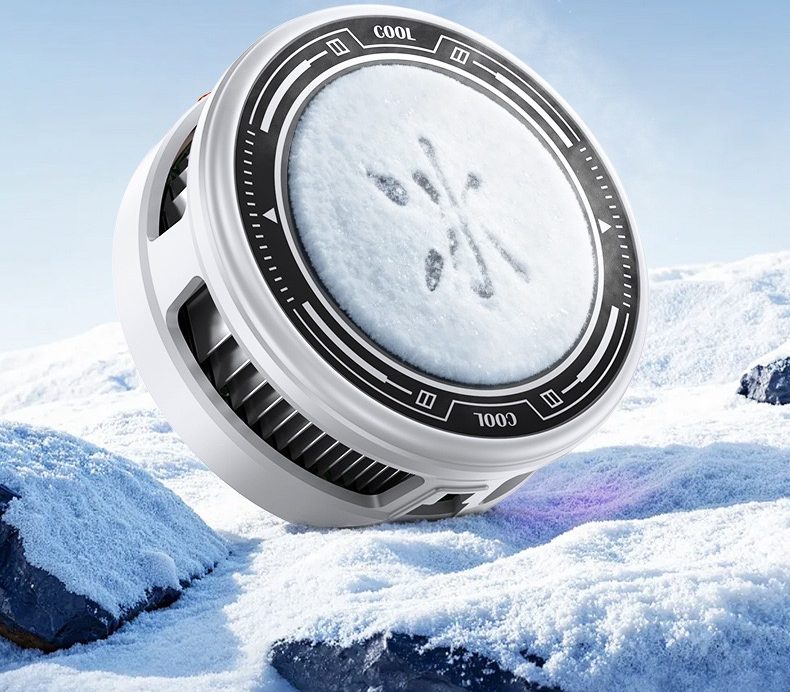
Get Radiator Price List Browse All ModelsA phone radiator is the same semiconductor (Peltier) cooler that other markets call a phone cooler — an external plate that pulls heat out of the handset. Our wholesale range covers 15W, 20W and 30W radiators with plate temperatures down to about −6 °C, frost visible on the surface. MOQ from 50 pcs, in stock, shipped within 48 hours from Shenzhen.
The word "radiator" is how a large share of the world describes this product: a cell phone radiator or mobile phone radiator is the external unit that actually pulls heat out of the handset. English-language listings in North America and Europe tend to say phone cooler, while buyers searching a phone radiator are often shopping in markets where the literal translation is the common term — Southeast Asia, the Middle East, Latin America and Eastern Europe.
For a wholesale buyer this matters for one practical reason: the models are the same, so one supplier can cover both wordings. If your storefront, marketplace listings or ad copy only use "cooler", you are invisible to the radiator half of your market. Our radiator range is the same production line as our semiconductor phone cooler range, listed under both terms so you can brand it for either audience.
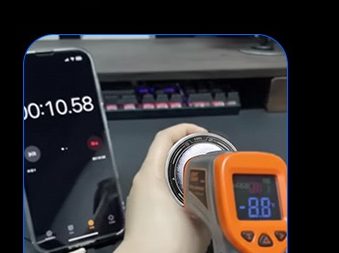
What separates a real radiator from a fan accessory is where the cooling happens. A fan-only clip cooler moves ambient air across the back of the phone: helpful in a cool room, close to useless in a hot one, because the air itself is already warm. A semiconductor radiator uses the Peltier effect to make one side of a ceramic plate cold, bonds that plate to the heat sink side, and uses the fan to exhaust the heat. The contact surface drops well below the room temperature — in humid air you can see frost form on it within a minute, which is the single most convincing demo a retailer can film.
The three technologies your customers ask about, and where each one actually fits.
| Type | Phone radiator (semiconductor / Peltier) | Fan-only cooler | Liquid cooler |
|---|---|---|---|
| Cooling principle | Thermoelectric plate pumps heat out of the phone | Moves ambient air over the phone back | Circulates coolant through a cold plate |
| Plate temperature | Approx. −6 °C — below ambient, frost possible | Near ambient — cannot go below room temperature | Below ambient |
| Typical power | 15W / 20W / 30W | 5W / 10W | 10W–20W plus pump |
| Weight | 70–130 g | 60–90 g | Heavier — external radiator or reservoir |
| Best for | Gaming, live streaming, hot climates, navigation use | Light everyday warming, lowest price points | Stationary DIY and enthusiast builds |
| Wholesale appeal | Highest perceived value — demonstrable in seconds | Entry price tier, high volume | Niche, higher support burden |
Stock a radiator as your main line and a fan cooler as the entry price point — the two together cover almost every cooling search a customer makes.
Every unit below ships from ready stock in Shenzhen. Mixed models count toward the same quantity tier.
| Cooling power | 15W (entry) · 20W (mainstream) · 30W (flagship gaming) |
|---|---|
| Cooling technology | Semiconductor Peltier TEC plate + aluminium heat sink + centrifugal fan |
| Mounting options | Magnetic (MagSafe-compatible) · spring back clip · magnetic + clip 2-in-1 |
| Extras available | RGB light ring · live temperature display · 4-level cooling modes · AI smart mode |
| Compatibility | iPhone 12 and newer direct magnetic; any 4.7″–7″ phone (iPhone, Samsung, Xiaomi, OPPO) via clip |
| Power input | USB Type-C, 5V/3A (works with any charger or power bank) |
| Finish & branding | Multiple housing colours · OEM logo from 100 pcs · custom packaging · ODM housing and PCB |
| MOQ & lead time | MOQ 50 pcs · in stock dispatches in 48 hours · bulk 7–25 days, FOB Shenzhen |
Tell us your target market and retail price point and we will recommend the wattage and feature mix that fits — including a stripped entry SKU for price-led markets and the temperature-display version for premium shelves.
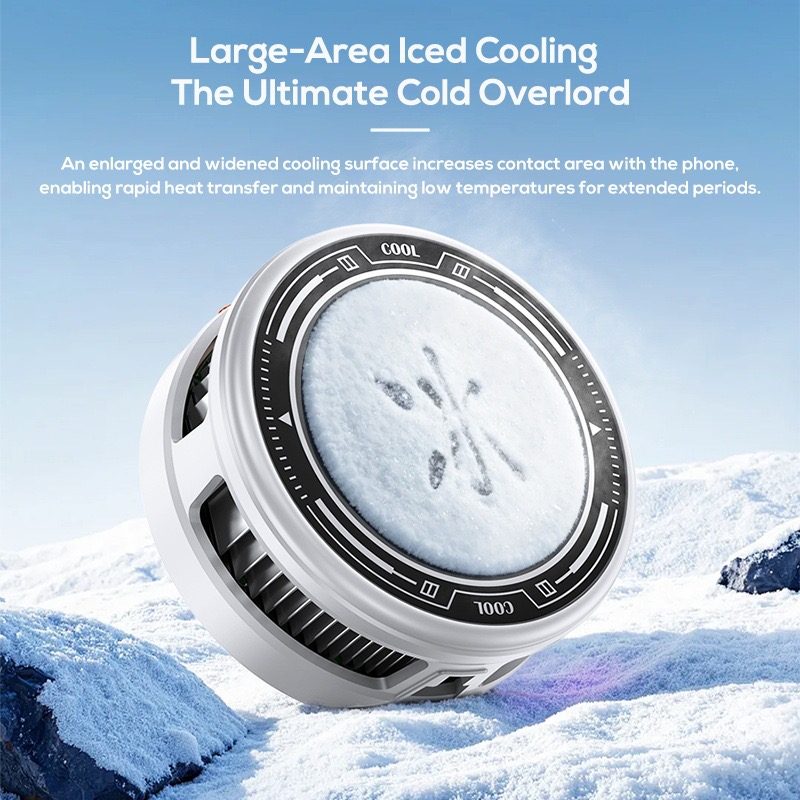
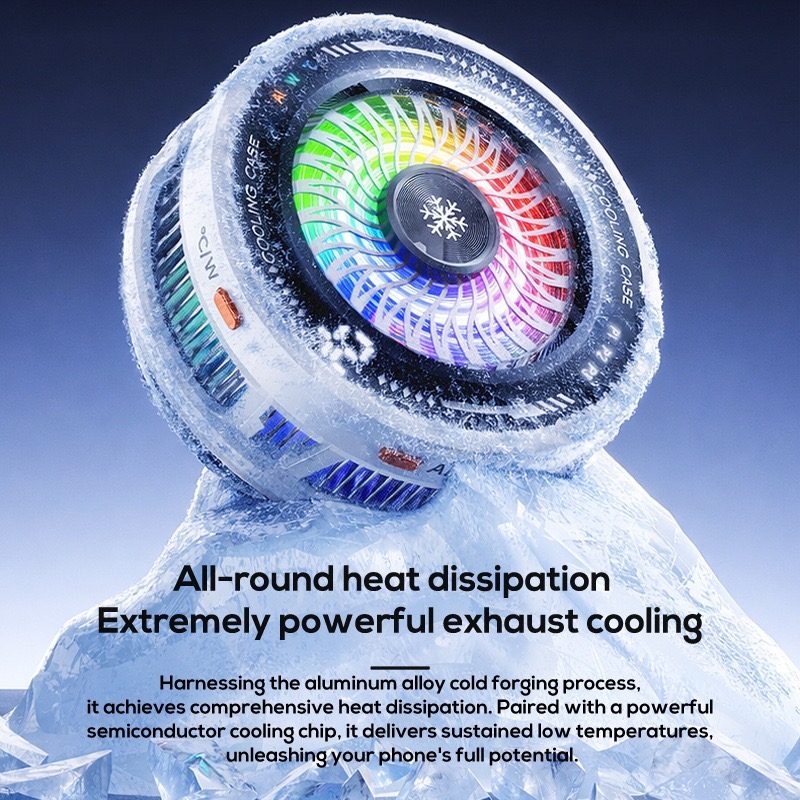
Semiconductor radiators are the models buyers ask for most in wholesale. These photos show the cold plate, the layered construction and the frost our test bench produces.
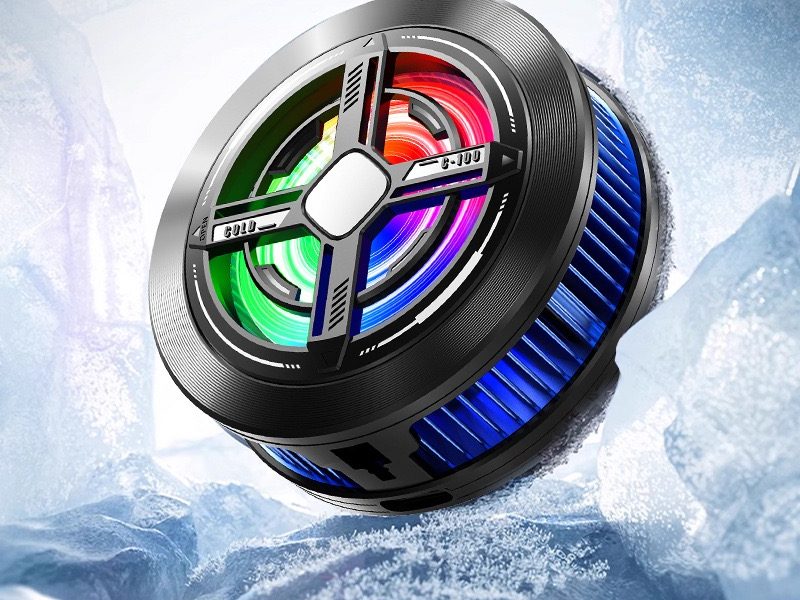

An external active cooling device that pulls heat out of the phone rather than blowing air at it. In most markets the word refers to the semiconductor (Peltier TEC) type: a cold plate, a heat sink and a fan, powered over USB Type-C.
In practice yes — the products are identical, only the wording differs by market. A radiator is the semiconductor type with a metal cooling plate; a fan-only clip cooler never gets below ambient temperature.
Yes. Peltier, TEC and semiconductor describe the same thermoelectric principle. It is what allows the plate to sit around −6 °C and form frost in humid air.
50 pcs for in-stock radiators, with tiers at 50–499 / 500–2,999 / 3,000+ pcs. Mixed models combine into one tier; OEM logo and packaging start from 100 pcs.
The semiconductor radiator. When the ambient air is already hot, a fan cooler can only move warm air; a radiator cools below ambient on the contact plate, which is both measurable and easy to demonstrate in video.
Three technologies sell under the same search term, and the right choice depends on the market rather than on the spec sheet. The signals below are the ones that decide it in practice.
A thermoelectric (Peltier) module is a semiconductor junction: current through it moves heat from one face to the other. The face touching the phone gets cold while the opposite face gets hot, and a fan plus heat sink carries that heat away. Because the cold face is actively pumped rather than passively cooled, it can sit below room temperature — at roughly −6 °C on our plates, which is why frost appears on the surface in humid air. A fan-only cooler can never do this; it can only move room-temperature air across the back of the phone.
Frost and condensation are the same physics working in your favour and against you. First, moisture forms on a plate that is below the dew point, so the plate should be wiped before a phone is attached, and a running unit should not be left face-down on a table for long periods. Second, the cold face must sit flat against the phone for heat to transfer; a thick case between the two defeats the product, which is why magnetic mounting assumes a compatible case or a bare back. Neither point is a defect — they are the reason the product works, and staff who can explain them convert better.
Plate area matters more than the wattage printed on the box. A 15W unit with a plate smaller than the phone's heat zone will cool a rectangle in the middle and leave the rest warm, which is why buyers of large gaming handsets should step up to an 18W or 30W model even when the phone is not running at full load. The inverse is also true: a 30W plate on a compact handset is more cooling than the battery and the hand can justify, and it costs the retailer margin it will never recover.
For the thin-case and heat-spreader alternative, see liquid phone cooler; for session-length guidance see the gaming phone cooler page, and tier pricing is on the phone cooler wholesale price list.
Tell us your market, quantity and preferred wattage — we reply within 24 hours with pricing, stock and OEM options.