Liquid & Water-Cooled Models in Stock
Ships from ready stock in Shenzhen; mixed models count toward the same quantity tier.
Liquid-cooled plate and heat-pipe phone coolers for everyday and gaming use, plus water cooling for phones built to order. In stock in Shenzhen, MOQ from 50 pcs, OEM logo and ODM available.
Get Liquid Cooler Price List Browse All ModelsLiquid phone coolers move heat through a sealed liquid plate, a heat pipe, or a pumped water loop — nothing is added inside the phone. Our range covers liquid-plate and heat-pipe coolers plus pump-based external kits, so you can stock the version your market actually means by the word. MOQ from 100 pcs, in stock in Shenzhen.
Water cooling for phones — written as phone water cooling, phone water cooler or watercooling phone — all lands on the same shelf, as does a liquid cooler phone query, but the products behind those words are not identical. Knowing the difference is what stops a wholesale buyer from ordering the wrong container — and it is the question we are asked most often.
1. Liquid-cooled plate coolers (in stock, the volume product). A sealed coolant chamber or heat pipe sits between the phone and the aluminium fins, spreading heat across the whole plate instead of letting it concentrate in the middle. A fan exhausts it. There is no pump and no refilling, the unit stays thin and light, power draw is low and there is no Peltier element to add cost. For a retailer this is the easiest liquid-cooled item to sell: it is cheaper than a semiconductor cooler, looks technical, and needs no explanation beyond "it spreads the heat".
2. Pump-based water-cooling kits (built to order). A small pump circulates coolant from a cold plate on the phone through a tube to an external radiator and fan. It moves far more heat than any clip-on unit, but it is a stationary product: it needs a desk, a power source and space. This is enthusiast and DIY territory, mostly for desktop gaming rather than handheld play.
3. Liquid cooling phone cases (accessory, not active cooling). A case with a coolant layer or graphite and vapour-chamber sheet spreads heat and delays throttling, but with no active element it cannot go below room temperature. Sell it as a companion accessory next to an active cooler, not as a replacement — check our phone cooling case range for that category.
For most markets the honest recommendation is the same: stock the liquid-cooled plate cooler as the value tier and the semiconductor radiator as the performance tier. Together they cover both price points and both search wordings.
Pick your line by price point, not by technology hype.
| Type | Liquid-cooled plate / heat-pipe | Semiconductor (Peltier) | Fan-only |
|---|---|---|---|
| Below ambient? | No — spreads and exhausts heat | Yes — plate around −6 °C | No |
| Power draw | 5W–10W | 15W–30W | 5W–10W |
| Weight / thickness | Thinnest and lightest | 70–130 g | 60–90 g |
| Noise | Very quiet — low fan speed needed | Low to moderate | Depends on blade design |
| Unit cost | Lowest of the three | Highest — but highest perceived value | Low |
| Where it sells | Value shelves, thin-cooler searches, case bundles | Gaming, streaming, hot climates, premium listings | Entry price points, high volume |
| Demo appeal | Moderate — technical, not visual | Highest — frost and thermal-gun proof | Low |
A common trap: stocking only Peltier coolers and losing price-sensitive buyers, or stocking only fan and liquid coolers and losing the gaming crowd. The two-tier mix converts better in almost every market.
Ships from ready stock in Shenzhen; mixed models count toward the same quantity tier.
| Cooling designs | Sealed liquid-cooled plate · heat pipe + fin stack · liquid + TEC hybrid · pump-based water-cooling kit (ODM) |
|---|---|
| Power input | USB Type-C, 5V/2A–3A (works with any charger or power bank) |
| Mounting | Magnetic (MagSafe-compatible) · spring back clip · 2-in-1 magnetic and clip |
| Compatibility | iPhone 12 and newer direct magnetic; any 4.7″–7″ phone via clip or magnetic ring |
| Branding | OEM logo from 100 pcs · custom housing colour · retail packaging · private label manuals |
| Certification support | CE / RoHS / FCC documentation prepared per order — see how we test and document each batch |
| MOQ & lead time | MOQ 50 pcs · in stock dispatches in 48 hours · bulk 7–25 days, FOB Shenzhen |
If you need a specific coolant formulation, plate geometry or a pump kit with your own branding, send the target specs — our R&D team handles ODM projects on this platform.
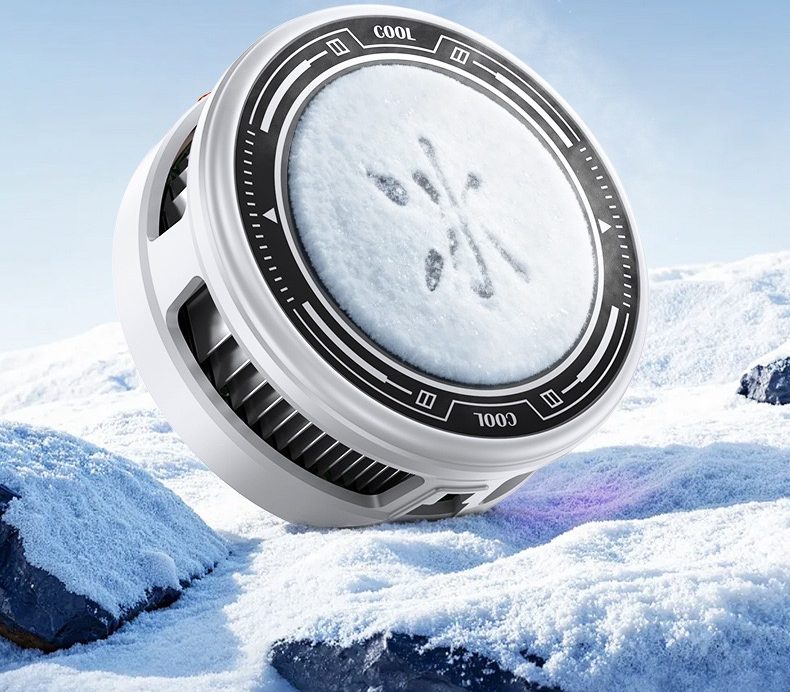
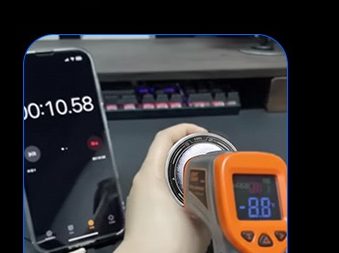
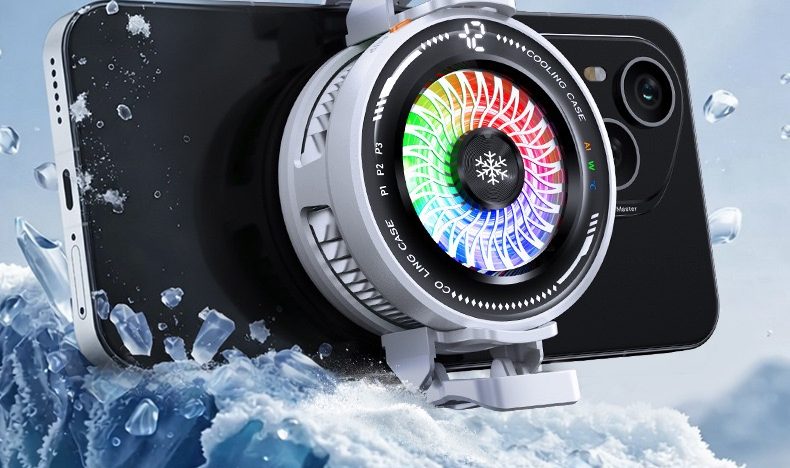
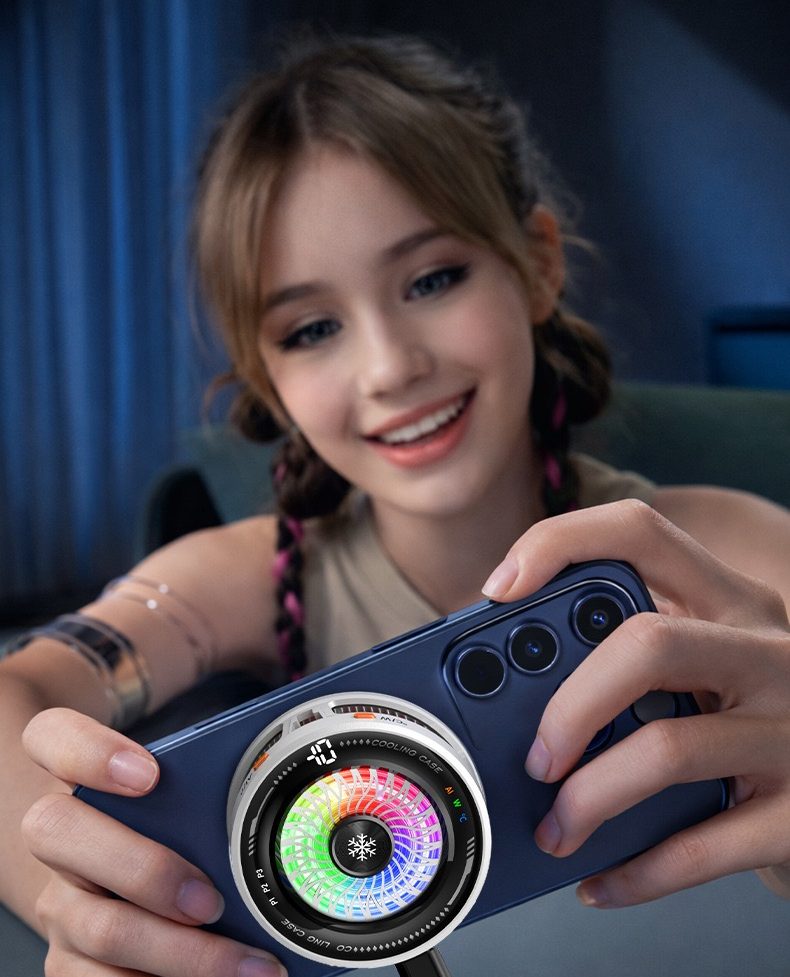
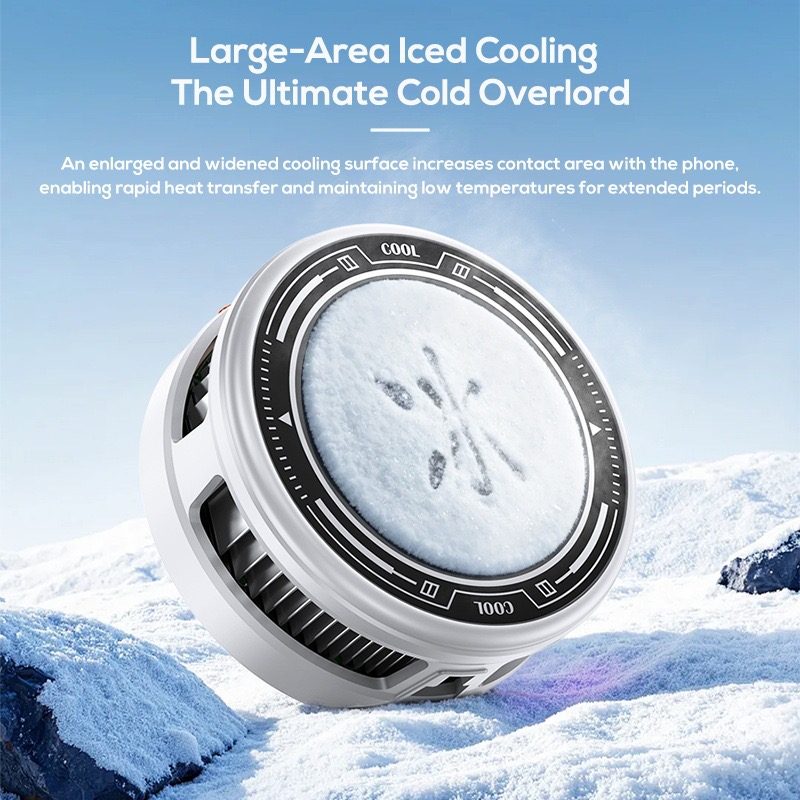
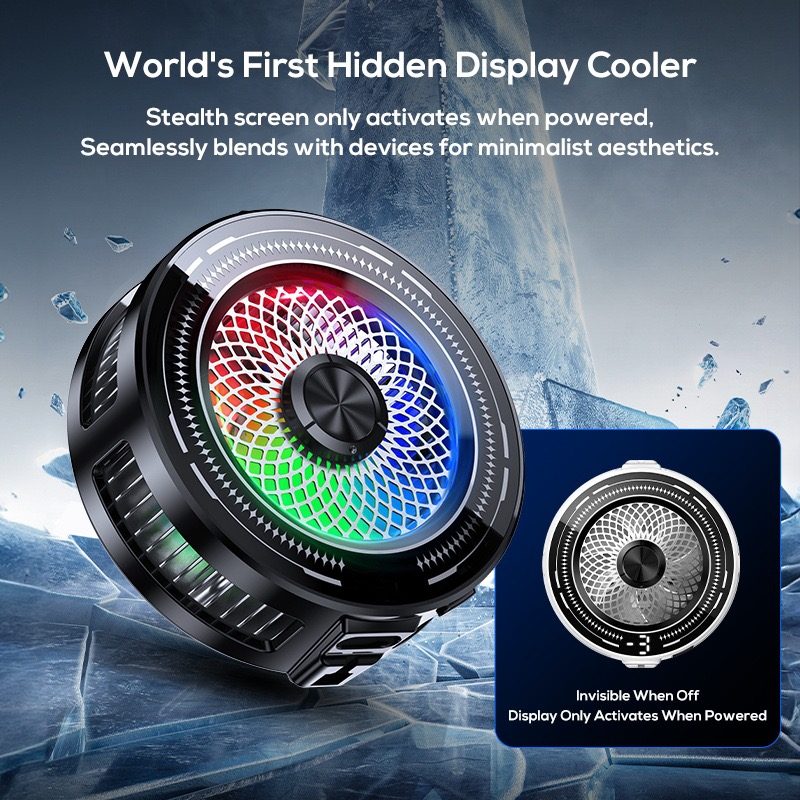
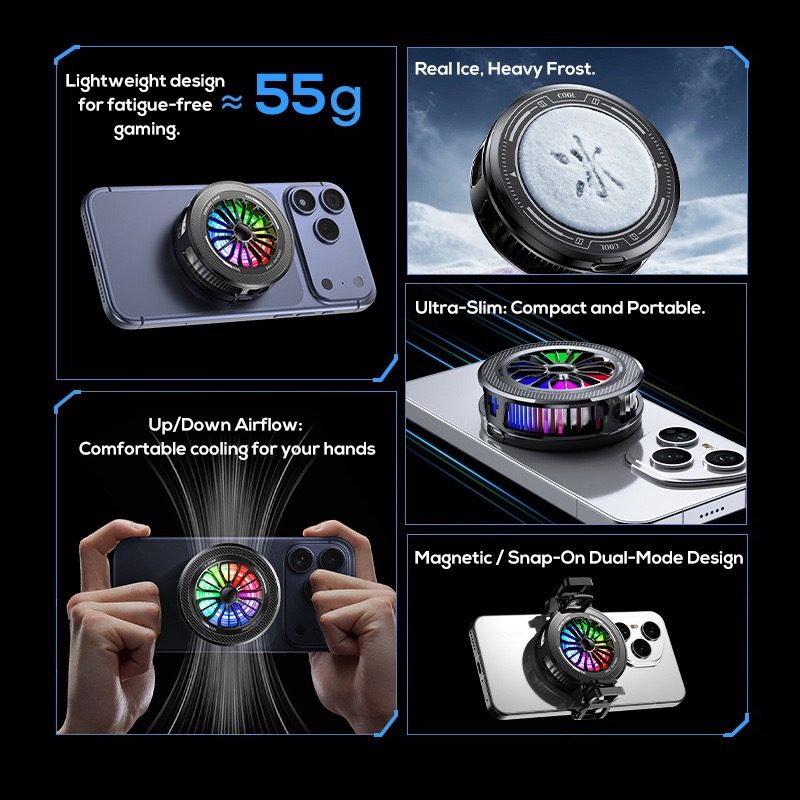
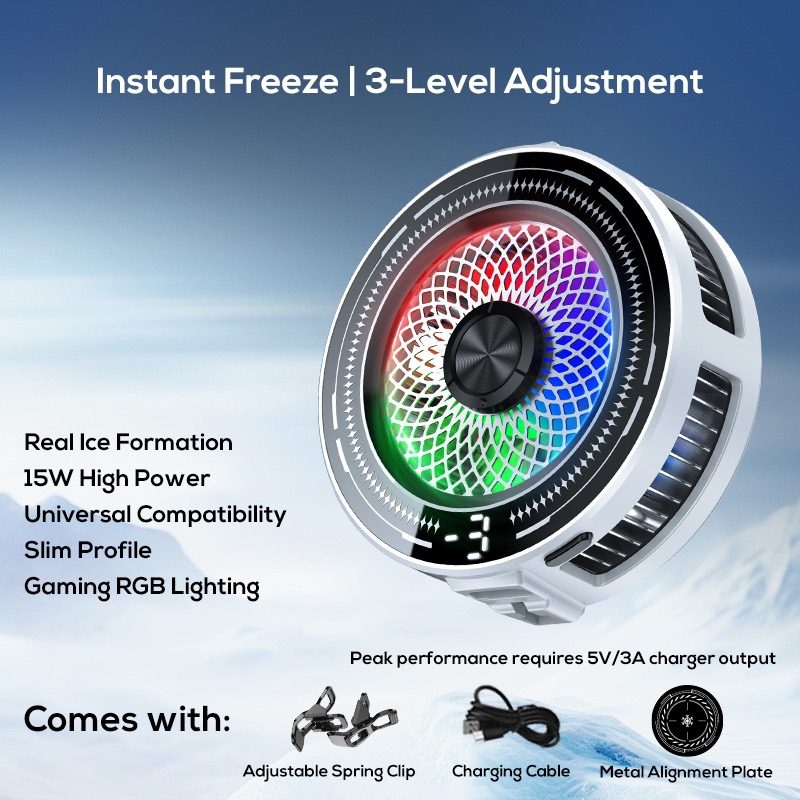
Buyers often ask whether to stock liquid-cooled or semiconductor coolers. These photos show what the solid-state range delivers — the reason it outsells liquid units in export orders.
Mostly a liquid-cooled plate or heat-pipe cooler: a sealed coolant chamber spreads heat evenly and a fan exhausts it. Pump-based water-cooling kits are the second interpretation and are built to order for stationary desktop use.
Different trade-offs. Liquid-plate coolers are thinner, quieter and cheaper; semiconductor coolers go below ambient (about −6 °C) and demo far better. Most wholesalers stock both tiers.
They spread heat and delay throttling, but without an active element they cannot cool below room temperature. Sell them as accessories alongside an active cooler.
Yes — our liquid-plate units are factory sealed with no user-serviceable coolant. Pump kits use a closed loop and are meant for stationary use.
50 pcs for in-stock liquid-plate models; tiers at 50–499 / 500–2,999 / 3,000+ pcs. Mixed models combine into one tier; OEM logo from 100 pcs.
"Liquid cooling" covers three different products, and a buyer who treats them as one will mis-price the shelf. The comparison below is the one worth sending to a customer who asks which is better.
A sealed plate or heat pipe spreads heat across a larger area before it reaches the surface, so the phone stays comfortable to hold for longer and the design can live inside a case rather than clipping onto it. That is the honest pitch for a thin-case market: it is not colder than a thermoelectric plate, it is flatter, quieter and easier to live with. If a buyer's customers want a case they can leave on, this is the right line; if they want a demo that frosts in front of them, it is the wrong one.
For a shop that needs a product to sell itself on the counter, the phone radiator is the stronger SKU: it reaches roughly −6 °C in a minute, needs no explanation, and costs less per unit at the same power class. The trade-off is that it must sit directly on the phone, so cases and magnetic compatibility become part of the sales conversation.
A graphite or vapour-chamber case is passive — it spreads heat, it does not pump it. Describing that product as water cooling invites returns and platform complaints, because the customer expects a pump. Keep the term "liquid" for units that genuinely contain a working fluid, and describe passive cases by what they do. Getting this right protects the whole category, and it is the first thing we check when a client sends us their listing copy.
Browse the full line-up on the wholesale phone cooler range page, or read the Razer vs BlackShark comparison to see how brand units price against factory-direct cooling.
Tell us your market, quantity and whether you need a stocked plate cooler or a custom water-cooling kit — we reply within 24 hours.