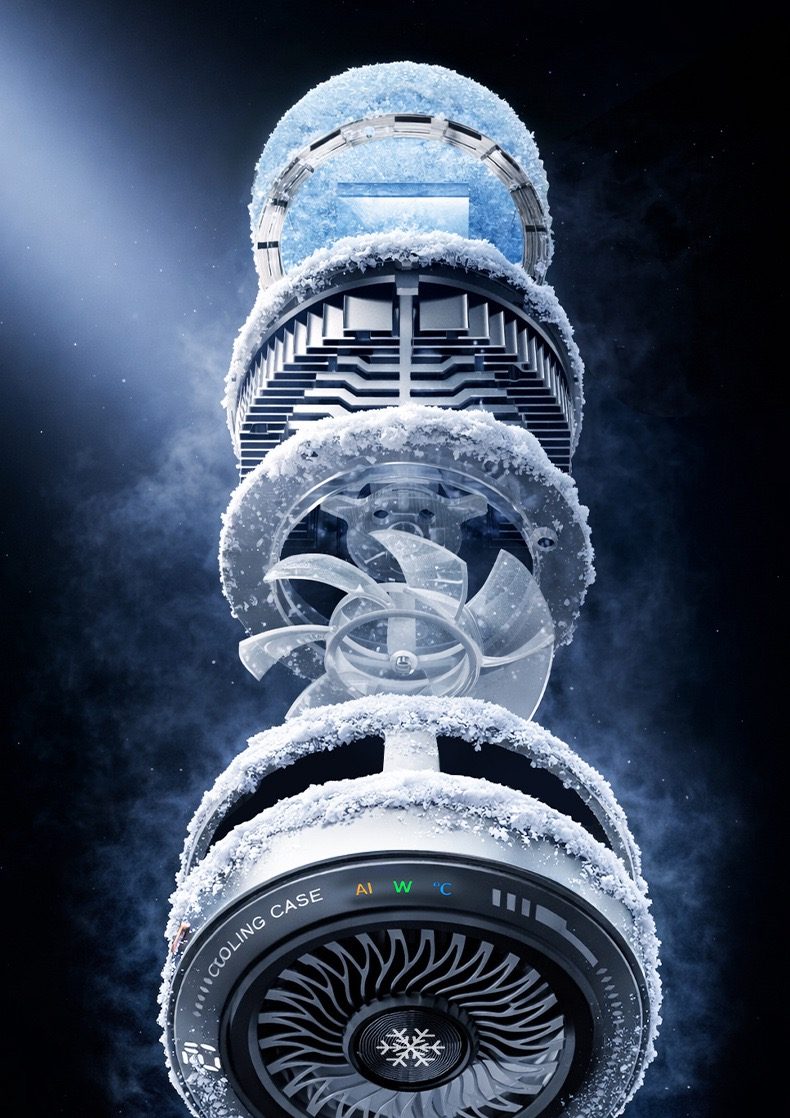
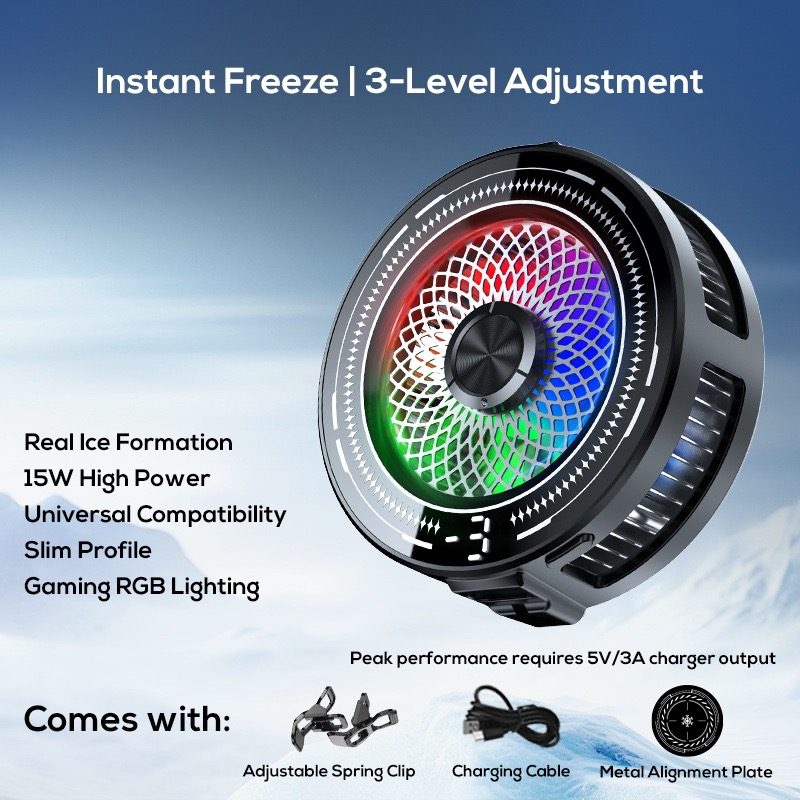
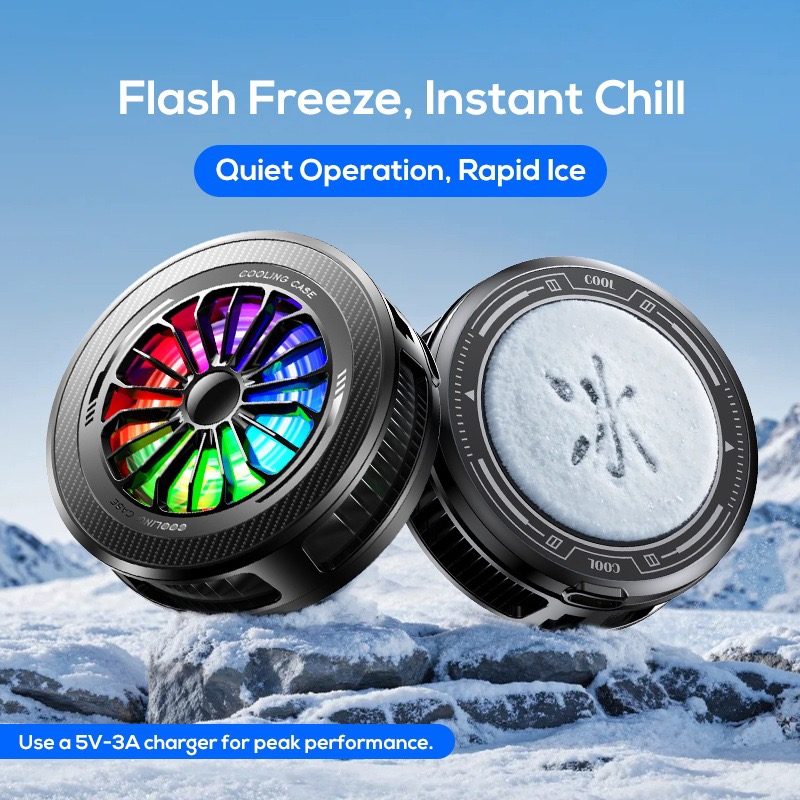
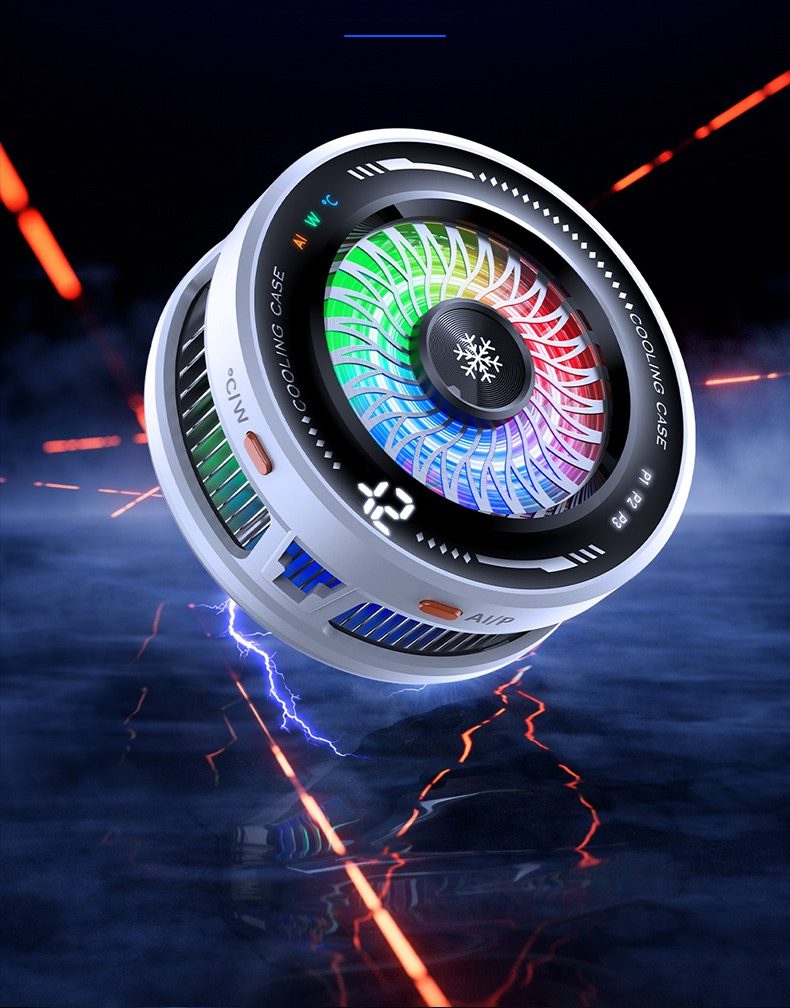
A gaming phone cooler that stops thermal throttling in long PUBG, Genshin Impact and esports sessions. Semiconductor and fan models, in stock, MOQ from 50 pcs, OEM logo and ODM available.
Get Gaming Cooler Price List Browse All ModelsGaming phone coolers stop the thermal throttling that cuts frame rates in long sessions. Our wholesale range spans 18W–30W semiconductor (Peltier) coolers with live temperature displays and 100-step fan control, plus quiet 10W air-cooled models for the entry price point. MOQ from 50 pcs, held in stock in Shenzhen and dispatched within 48 hours.
Phone gaming is thermally limited, not hardware limited. A modern flagship runs its most demanding games at a locked frame rate for the first ten to fifteen minutes, then the chassis heats up, the SoC throttles, and the frame rate drops. A gaming phone cooler fixes the cause rather than the symptom: it keeps the back cover cool so the phone can hold its performance for the whole match.
For a wholesale buyer this is a well-defined product line. Gaming coolers are the highest-intent segment of the phone cooler market — the buyer already knows they overheat and already wants a device to fix it — and they sell year-round rather than only in summer heat waves. The trade-off is that gaming buyers notice noise, build quality and whether the cooler actually holds a temperature, so the models you stock directly decide your reviews.
The two technologies behave very differently in long sessions — stock both if you sell to competitive players and casual players.
| Spec | Semiconductor (TEC) gaming cooler | Air-cooled fan gaming cooler |
|---|---|---|
| How it cools | Peltier plate pulls heat out of the phone, fan removes it from the heat sink | Fan blows air across the back cover only |
| Typical power | 15W / 18W / 20W / 30W | 5W–10W, USB powered |
| Temperature drop | Large — buyers report 10–20°C on the back cover | Modest — a few degrees, mostly felt as airflow |
| Best for | PUBG / Genshin / esports, streaming, long sessions | Casual play, short sessions, entry price point |
| Unit cost for wholesale | Higher (adds TEC module, heat sink, heavier housing) | Lowest of the whole phone cooler range |
| Watch out for | Condensation on very humid days; needs a real power adapter | Noise; marketing claims of "10°C drop" are unrealistic |
Rule of thumb for a shop: lead with a 20W semiconductor model as the hero gaming SKU, and keep one quiet fan model as the sub-USD entry option.
Prices are tiered by quantity — request the current price list for your order size.
Whether a buyer searches for a cooler for gaming phone, a mobile gaming cooler, the best mobile gaming cooler or a black shark gaming cooler, they land on the same stock range above. Comparing us against the big gaming brands? See the Razer vs Black Shark vs factory-direct comparison.
If you sell gaming coolers, these are the four questions that decide the return rate — and the ones worth checking on a sample before you commit to a container:
These are also the checks our own models go through before they are listed as in stock — see how we produce and test, or read the supplier verification checklist if you are comparing factories.
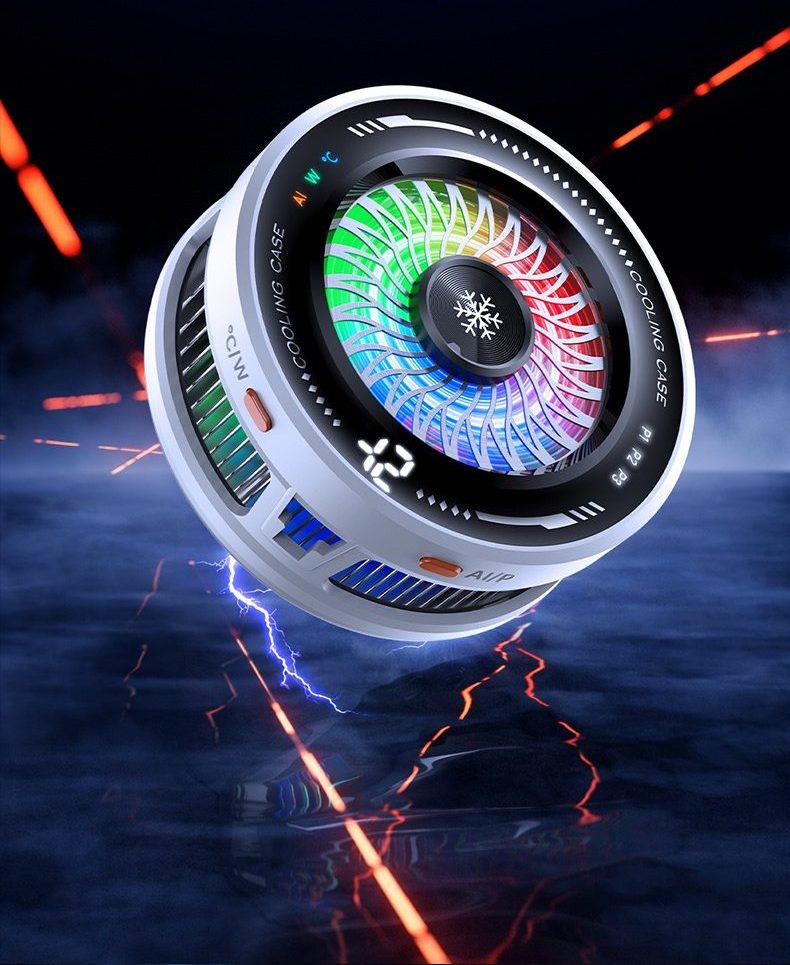
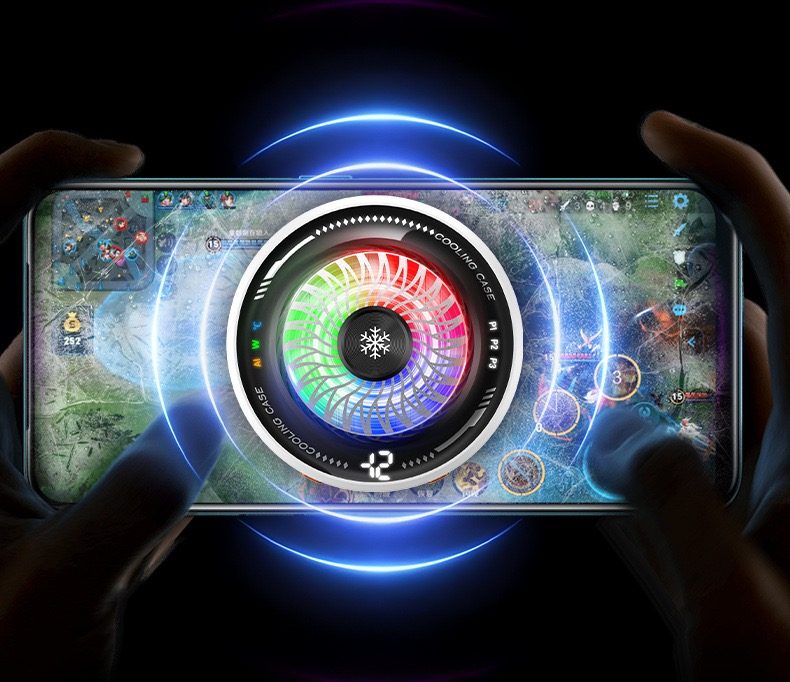
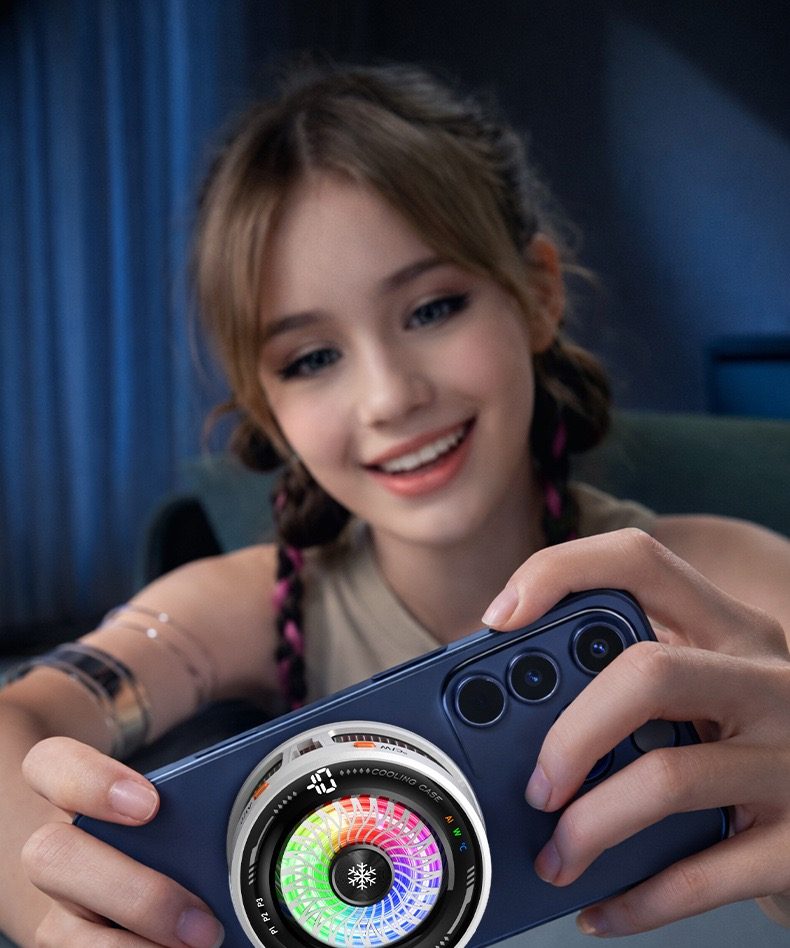
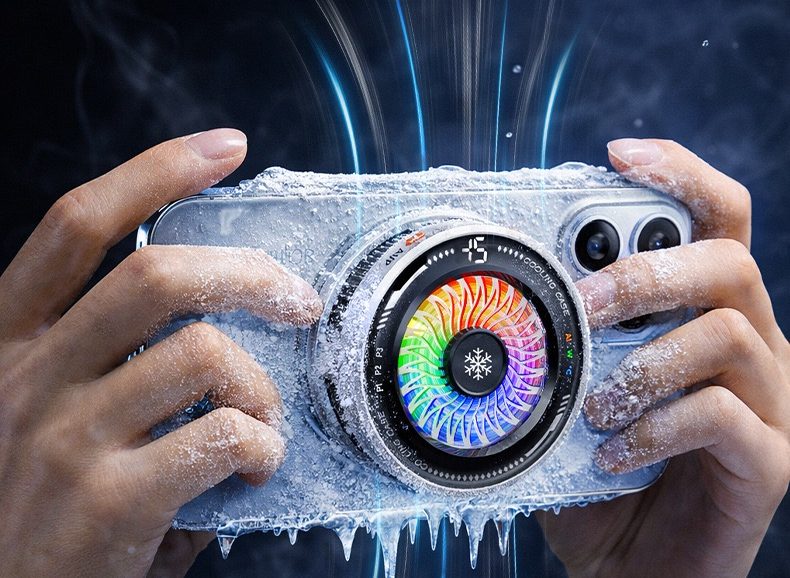
Shots from our own gaming test runs, plus the RGB models esports buyers order most. Full-load sessions, landscape grip, no frame-rate drops.
For long sessions a 20W–30W semiconductor (TEC) model holds a lower temperature than an air-cooled fan, because it actively pulls heat out of the phone. Fan coolers stay the cheapest option and are fine for casual play.
Buyers typically report a 10–20°C drop in back-cover temperature on a 20W–30W semiconductor model — enough to stop thermal throttling. Results depend on ambient temperature, phone model and the power adapter used.
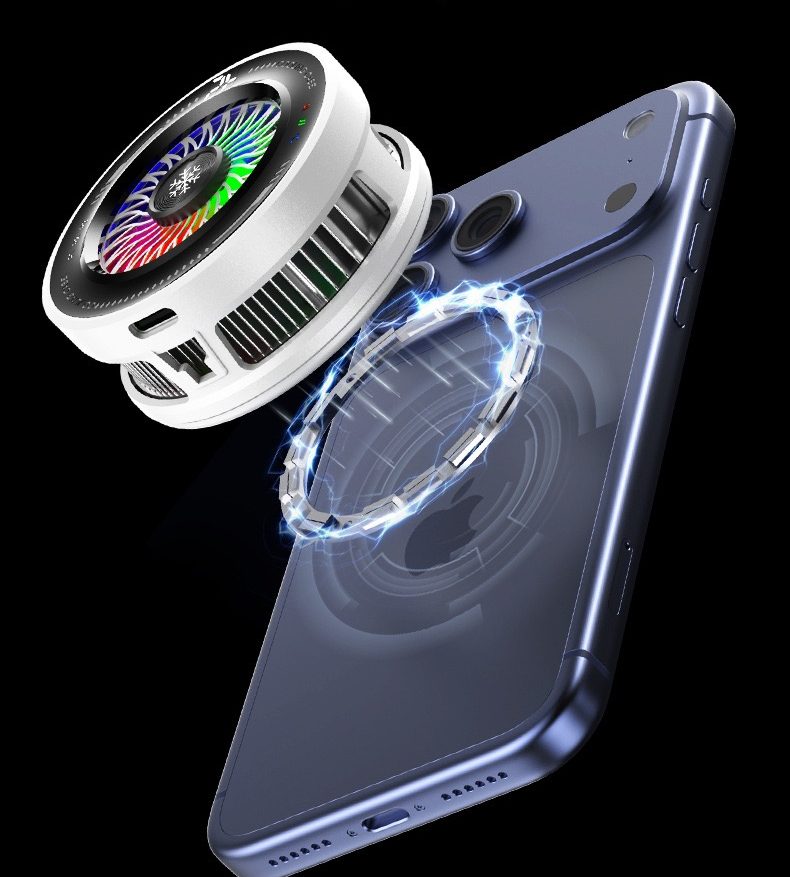
Yes. Spring-clip models fit most phones from 4.7″ to 7″, including iPhone, Samsung, Xiaomi and other Android phones. Magnetic models attach to MagSafe iPhones and to Android phones with a magnetic ring or case.
Noise is the main weakness of cheap coolers. Quiet models use larger low-RPM blades with fluid or magnetic bearings and run at roughly 22–28 dB, which does not disturb voice chat.
MOQ starts from 50 pcs on in-stock models. OEM logo and packaging from 100 pcs; full ODM development is available from our R&D team.
A cooler spec sheet says 20W or 30W; a gamer cares about minute forty. The useful question is how long the phone sits at load with the screen on and the frame rate locked, because heat accumulates and the chassis becomes the bottleneck. The table below maps the sessions buyers actually describe to the class of cooler that holds up.
Magnetic mounting covers iPhone 12 and later without a clip, and any Android handset with a magnetic ring or a MagSafe-compatible case. Clip mounting covers 4.7″ to 7″ bodies, which includes the thick gaming phones that magnetic mounts cannot hold. Cases matter: a magnetic mount needs a compatible case or a bare back, while a thick rugged case usually means the clip version is the safer sale. If a customer is unsure, the two-in-one models remove the question entirely — the K3 ships with both a magnetic face and a detachable clip.
The 10W quiet tier measured 22–28 dB, which is the right answer for a shared room, a study or a stream where the microphone is open. The 30W class moves far more air at its top setting and will be audible; that is why 100-step fan control matters on a gaming unit — the customer can run it low between matches and open it up during one. When a shop asks us what to stock for a gaming section, the answer is usually both tiers: the quiet fan for streaming and study buyers, the 30W plate for the frame-rate buyers.
Unit pricing for each class is on the phone cooler wholesale price list, the full line-up is on the wholesale phone cooler range page, and the technology comparison sits under phone radiator.
Tell us the models and quantities you need — we reply within 24 hours with pricing and stock status.